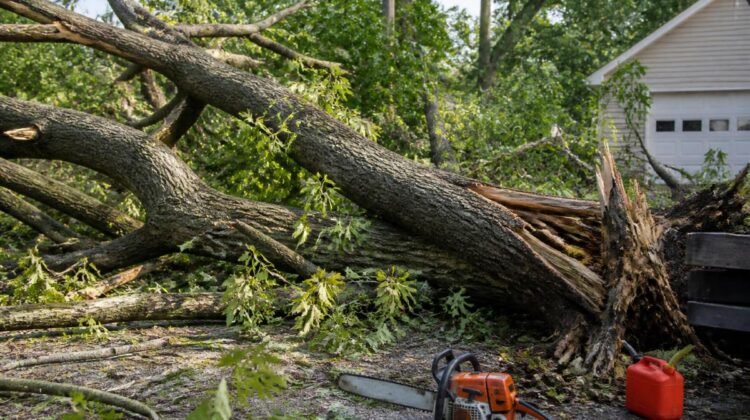
Emergency Storm Tree Removal: What to Do First
Last Updated: November 1, 2026
Quick Summary
Emergency storm tree removal starts with keeping everyone indoors and at least 10 metres back from any fallen powerlines, then calling 000 for injuries, the SES on 132 500 for storm damage, or your electricity distributor if a tree touches powerlines. Only after the scene is made safe should you call an arborist for storm tree removal.
- Keep all people and pets indoors, away from the tree and any lines.
- Call 000 first if someone is injured, trapped, or a building is unstable.
- Call the SES on 132 500 for trees down but not touching powerlines.
- Photograph the damage from a safe distance and keep records for insurers.
- A make safe service stabilises the tree before full removal begins.
Table of Contents
- The First Hour After a Storm: A Homeowner Action Plan
- Tree Fallen on House: What to Do Right Now
- Storm Damage Tree Assessment: What a Qualified Arborist Checks
- Make Safe Tree Service: Stabilising the Site Before Removal
- Fallen Tree Removal: How the Job Actually Runs
- What Drives the Cost of Emergency Storm Tree Removal
- Council Rules, Permits and Who Pays for What
- Get a Free Quote for Your Storm Cleanup
- Frequently Asked Questions
The First Hour After a Storm: A Homeowner Action Plan
When a severe storm rolls through and leaves a tree across your yard, the first hour matters more than the next ten. Emergency storm tree removal in Melbourne starts long before a crew arrives, and what you do in those opening minutes decides whether a bad situation becomes a dangerous one. A calm, ordered first hour helps prevent injuries and limits property damage. Below, we show you exactly what to do, in order, before you call anyone.
Start by keeping everyone inside and away from windows. Downed powerlines are the hidden killer in most storm events, and the SES storm safety guidance is blunt about it: treat every fallen line as live and stay well clear. Next, check on people, not property. Once everyone is safe, photograph the damage from a distance. Those photos can serve as useful evidence for your insurer later.
- Keep all people and pets indoors, away from the tree and any lines
- Check for injuries and call 000 if anyone is hurt
- Look for fallen powerlines and stay at least 10 metres back
- Photograph the damage from a safe distance
- Note the time and keep a written record for insurers
- Call for help only once the scene is secure
When to Call SES, Emergency Services or an Arborist
The single biggest mistake after a storm is calling the wrong number first. The right call depends entirely on what the tree has hit.
Call 000 if someone is injured, trapped, or a building is on fire or collapsing. Call the SES on 132 500 for storm and flood damage, including trees that have come down but are not touching powerlines (When to call 132 500 – Victoria State Emergency Service). Call your electricity distributor immediately if any part of the tree is in contact with powerlines, and keep everyone clear until they confirm the line is de-energised. Only then do you call an arborist for the tree itself.
That order is not arbitrary. Emergency services make the scene safe; a qualified arborist removes the hazard. When you need the tree gone, our tree removal service can help with urgent callouts.
Here is the order of calls to make after a storm, based on what the tree has hit.
| Situation | Who to call | Note |
|---|---|---|
| Someone injured, trapped, or building on fire or collapsing | 000 | Call first |
| Storm and flood damage, tree down but not touching powerlines | SES on 132 500 | For emergency make-safe assistance |
| Any part of tree in contact with powerlines | Electricity distributor | Keep everyone clear until line confirmed de-energised |
| Tree itself needs removing | Arborist | Only after the scene is made safe |
Tree Fallen on House: What to Do Right Now
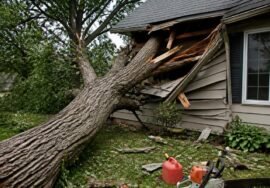
A tree on your roof is a structural emergency, and the advice is simple: get out, stay out, and call for help. Do not go back inside to grab belongings. A damaged roof can fail without warning, and the tree may still be shifting.
If the tree has hit your house, follow this sequence:
- Evacuate everyone to a safe distance and call 000 if the structure is unstable or anyone is trapped.
- Do not touch the tree or attempt to move it. Weight distribution on a damaged roof is unpredictable.
- Call the SES on 132 500 for emergency make-safe assistance.
- Contact your insurer and start a claim before arranging removal.
- Keep everyone clear until a professional has assessed the structure.
The temptation to grab a chainsaw and start cutting is strong, and it is a common way homeowners get hurt. Before you act, read about the risks of DIY tree removal.
Storm Damage Tree Assessment: What a Qualified Arborist Checks
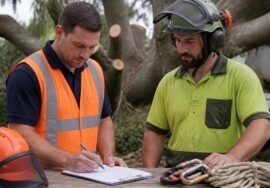
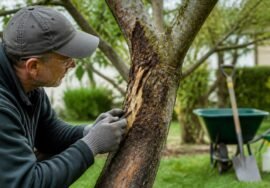
A storm damage tree assessment is a structured inspection that determines whether a damaged tree can be saved or must be removed. A qualified arborist looks at far more than the broken branches you can see from the ground.
The assessment covers the tree’s lean and root plate, cracks and splits in the trunk, hanging hazardous limbs, soil heave around the base, and any contact with structures or services. An arborist also checks whether the tree is a species prone to failure and whether nearby trees pose a knock-on risk.
Not every storm-damaged tree needs to come down. Trees can often heal from limb loss, and removal is only the right call when the tree is unstable or threatens a structure. A proper assessment tells you which situation you are in before anyone starts cutting.
Make Safe Tree Service: Stabilising the Site Before Removal
A make safe tree service stabilises a dangerous tree so it no longer poses an immediate threat, buying time before full removal. This is the step most homeowners do not know exists, and it is often what emergency services and arborists do first.
Make-safe work can involve removing hanging limbs, propping or bracing a leaning tree, sectioning a tree away from a roof, or simply cordoning the area until a full crew can attend. The goal is not a tidy job. The goal is a safe site.
In practice, this means the first visit may not remove the whole tree. That is normal, and it is the right approach. Rushing a full removal on an unstable tree is how crews and homeowners get injured. Stabilise first, remove second.
Fallen Tree Removal: How the Job Actually Runs
Fallen tree removal is a staged process: assess, make safe, section, remove, and clean up. Understanding the sequence helps you know what to expect and why it takes the time it does.
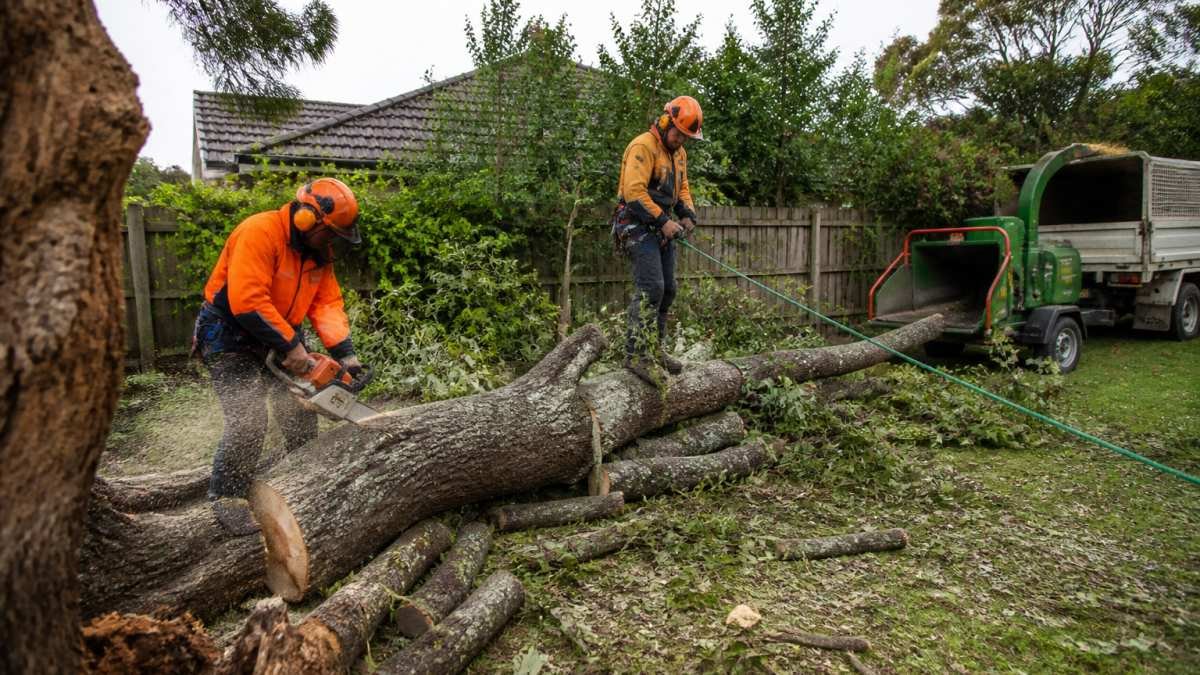
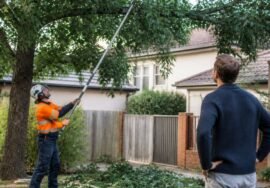
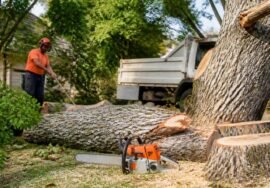
The crew starts with a fresh assessment on arrival, because conditions can change. They then secure the site and plan the cuts. Large sections are cut and lowered with ropes to protect fences, gardens, and structures. Debris is fed through a chipper, and the site is cleared.
What Drives the Cost of Emergency Storm Tree Removal
Emergency storm tree removal can cost more than routine removal, and pricing depends on the specifics of each job. Pricing depends on quantity, dates, and the scope of work, so check current prices or request a quote from Trees Hedge and Stump Removal’s website.
Pricing depends on the details of each job, so check current prices or request a free quote from Trees Hedge and Stump Removal’s website. You can also see how much tree removal costs in Melbourne.
Council Rules, Permits and Who Pays for What
Council rules still apply after a storm, and assuming otherwise is a costly mistake. Many trees are protected by local planning controls, and removing one without approval can attract penalties even when it is damaged.
The practical position is this: emergency make-safe work to protect life and property is generally treated differently from routine removal, but you still need to check with your local council. Find out whether you need a permit to remove a tree in Melbourne. Rules vary between councils, and what is allowed in one suburb may not be in the next. If a tree is on a boundary or on council land, responsibility and permission sit with the council, not the homeowner.
On payment, check with your insurer about what your home policy covers for storm damage and tree removal. Keep every receipt and photo.
Get a Free Quote for Your Storm Cleanup
Storm cleanup is stressful enough without chasing quotes from contractors who never call back. Trees Hedge and Stump Removal is a family-owned business with fully qualified local arborists, and offers 24-hour emergency service.
Ready to get it sorted? Request a free quote from Trees Hedge and Stump Removal and we will arrange for a qualified arborist to visit your property. You can contact us to get started.
Frequently Asked Questions
What should I do if a tree falls during a storm?
Stay inside and keep everyone away from the tree until the storm passes. Once it is safe, check for downed powerlines from a distance and call your electricity distributor if you see any. Photograph the damage for insurance, then call a qualified arborist for a storm damage tree assessment. Do not cut or move anything yourself, because a fallen tree can be under tension and shift without warning. If the tree is blocking access or threatening a structure, request an urgent callout for make safe work.
When is a storm-damaged tree an emergency?
A tree is an emergency when it is leaning toward a house, shed or fence, has hazardous limbs hanging over a path or driveway, is blocking access, or is touching or near powerlines. In those cases, keep clear and call an arborist for emergency storm tree removal straight away. A tree that has lost branches but is still standing upright and clear of structures can usually wait for a standard assessment during business hours.
Who is responsible for removing a storm-damaged tree?
Responsibility usually sits with the landowner where the tree is growing, even if storm damage caused it to fall onto a neighbour’s property. If the tree is on council land, such as a nature strip, contact your local council. If powerlines are involved, your electricity distributor handles the lines while an arborist handles the tree. Check your home insurance policy early, because many cover removal of a tree that has damaged a structure.
Can a storm-damaged tree be saved, or does it need to be removed?
Many storm-damaged trees can be saved. A storm damage tree assessment looks at the extent of limb loss, splits in the trunk, root plate movement and overall structural stability. Trees with minor branch damage often recover well after pruning, while trees with a cracked trunk or lifted root plate usually need fallen tree removal for safety. A qualified arborist can give you a clear answer after inspecting the tree on site.
A storm-damaged tree is a safety problem first and a cleanup problem second. If you are facing a fallen tree, a hazardous limb, or a tree leaning toward your house, do not wait for it to become an emergency. Get a free quote from Trees Hedge and Stump Removal and let our qualified arborists make your property safe, with 24-hour emergency response, fully insured local crews, and honest pricing you can trust.